
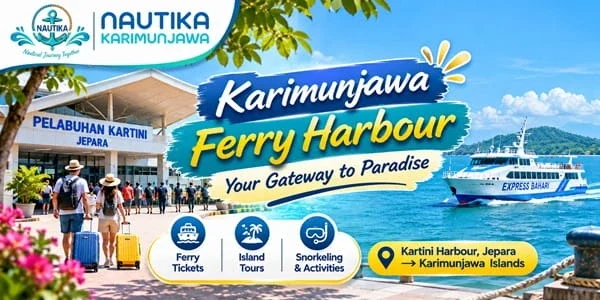
Planning a trip to Karimunjawa? Your island adventure starts long before you dip your toes into the clear blue water. For most visitors travelling by sea, the journey begins at Karimunjawa Ferry Harbour, with Kartini Harbour in Jepara serving as the main departure point for boats heading to this beautiful island group in the Java Sea.
Think of it as the first chapter of your holiday. You arrive in Jepara, check your ferry details, enjoy the sea breeze, and get ready to leave the mainland behind. A few hours later, turquoise water, green islands, and peaceful beaches welcome you to Karimunjawa. Not a bad way to start a getaway, right?
Whether you are travelling solo, visiting with your partner, or planning a fun trip with friends, understanding how Karimunjawa Ferry Harbour works can make your journey much smoother. You will want to know where to go, which boat to choose, how early to arrive, what to bring, and what happens if the weather changes.
So, let’s walk through the journey step by step. No complicated travel talk, no unnecessary fuss – just the useful information you need before setting sail.
Where Is Karimunjawa Ferry Harbour?
When travellers search for Karimunjawa Ferry Harbour, they usually mean the harbour facilities that connect Jepara with the Karimunjawa Islands. The main passenger departure point on the mainland is Kartini Harbour, located in Jepara, Central Java, Indonesia.
Karimunjawa itself sits in the Java Sea, north of Jepara. The archipelago forms part of Jepara Regency and includes several islands surrounded by clear water, coral reefs, and tropical coastal scenery.
Kartini Harbour acts as an important connection between the mainland and the island community. Local residents use the sea route for daily needs, while visitors rely on it to reach their holiday destination. In other words, this harbour is more than a place where boats come and go. It is a vital transport link for the people who live in Karimunjawa.
If you want to understand why the islands attract nature lovers, it is worth exploring their ecological background too. UNESCO recognises the wider Karimunjawa-Jepara-Muria area as a biosphere reserve, highlighting its island and marine ecosystems, tropical forests, and rich biodiversity. You can learn more from the UNESCO profile of the Karimunjawa-Jepara-Muria Biosphere Reserve(opens in new tab).
If this is your first visit, remember one simple detail: Jepara and Karimunjawa are two different places. You first travel to Kartini Harbour in Jepara, then board a ferry or fast boat to cross the sea.
Do not book a hotel in Karimunjawa and assume you can simply walk to the harbour from Jepara. That would be one very confusing holiday plan!
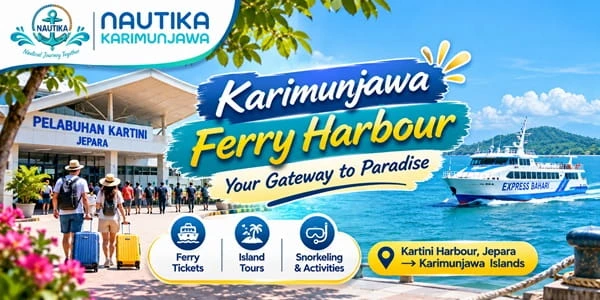
Why Kartini Harbour Matters for Your Karimunjawa Trip
Kartini Harbour plays a major role in making Karimunjawa accessible to visitors. It connects the mainland with the islands through scheduled sea transport, including passenger ferries and fast boats.
For tourists, the harbour marks the transition from ordinary road travel to a proper island adventure. You leave the busy streets of Jepara, board your chosen vessel, and spend the next part of your journey surrounded by the open sea.
The harbour also matters to local communities. Residents depend on sea transport for supplies, family visits, education, business, and other everyday activities. Tourism adds another layer to this connection, bringing visitors who support local accommodation providers, restaurants, boat operators, guides, and small businesses.
However, the sea route also passes through an environment that needs care. A 2024 research paper in the journal BioRisk examined possible effects of shipping routes on coral reef conditions and diversity in Karimunjawa Marine National Park. If you are interested in the science behind responsible sea travel, take a look at the study, Possible Effects of Shipping Routes on Coral Reef Degradation and Diversity in Karimunjawa Marine National Park(opens in new tab).
That is why visitors should treat the harbour and its transport services with respect. Follow the boarding instructions, keep the waiting area tidy, and listen to port staff. A little courtesy makes the journey easier for everyone.
You can also read: Masjid Agung Karimunjawa, Ikon Wisata Religi Jepara
How to Get to Karimunjawa Ferry Harbour in Jepara
Before you can enjoy Karimunjawa, you need to reach Jepara first. Your best route depends on where you are travelling from and how you plan to get there.
Travelling from Semarang
Semarang is one of the most convenient starting points for travellers coming from outside Central Java. You can reach the city by plane, train, bus, or private vehicle.
From Semarang, continue by road to Jepara. Depending on traffic, your departure point, and road conditions, the drive usually takes several hours. Leave enough time for the journey, especially if you have a ferry departure on the same day.
If you arrive in Semarang late at night, consider staying overnight before travelling to Kartini Harbour. This option gives you more breathing room and reduces the risk of missing your boat because of unexpected traffic.
Travelling from Yogyakarta or Solo
Visitors from Yogyakarta and Solo can travel to Jepara by private car, bus, or a combination of public transport services.
A direct road trip gives you more flexibility, particularly if you travel with family or carry several bags. Public transport may cost less, but you should check the route and arrival time carefully.
Try not to plan a tight connection between a long-distance bus and your ferry. Even a small delay can turn a relaxed morning into a stressful race against the clock.
Travelling from Jakarta and Other Major Cities
If you come from Jakarta or another major city, you can travel to Semarang first and continue to Jepara by road. Some visitors prefer to arrange a private transfer, while others choose buses or rental vehicles.
The key is to plan your mainland journey around your confirmed ferry departure. Do not rely on an estimated arrival time alone. Road conditions, traffic, and holiday crowds can affect your schedule.
Ferry Options from Kartini Harbour to Karimunjawa
One of the most important decisions before your trip is choosing the right boat. The main options commonly used on the Jepara–Karimunjawa route include the KMP Siginjai ferry and Express Bahari fast boat.
Both services connect Jepara and Karimunjawa, but they offer different travel experiences.
1. KMP Siginjai Ferry
KMP Siginjai is a passenger ferry that serves the Jepara–Karimunjawa route. It generally takes longer than a fast boat, but it may suit travellers who prefer a more relaxed crossing or need a ferry service that can accommodate certain vehicle transport arrangements.
The typical crossing takes around four and a half to five hours, although actual travel time can change with sea conditions and operational factors.
This option may work well if you:
- Prefer a slower sea journey.
- Have a flexible holiday schedule.
- Need to check vehicle transport arrangements.
- Want to compare ticket options before choosing your trip.
Always confirm the latest passenger and vehicle rules with the operator. Do not assume that every sailing accepts every type of vehicle or that space will always be available.
2. Express Bahari Fast Boat
Express Bahari offers a faster connection between Jepara and Karimunjawa. Under normal operating conditions, the crossing generally takes around two to two and a half hours.
For visitors with limited holiday time, this can be a convenient option. You spend less time travelling and may have more time to enjoy the island once you arrive.
A fast boat may suit you if you:
- Want a shorter crossing.
- Have a limited number of holiday days.
- Prefer to reach Karimunjawa sooner.
- Travel without a vehicle that requires ferry transport.
However, a faster boat does not mean you can ignore sea conditions. Operators may adjust or cancel departures when weather or operational conditions require it.
Which Boat Should You Choose?
There is no single answer for every traveller. Your choice depends on budget, travel time, comfort, availability, and personal preference.
| Travel consideration | KMP Siginjai | Express Bahari |
|---|---|---|
| Typical crossing time | Around 4.5–5 hours | Around 2–2.5 hours |
| Travel style | Conventional ferry | Fast boat |
| Best for | Flexible schedules and suitable ferry needs | Travellers who prefer a shorter crossing |
| Vehicle arrangements | Check current vehicle rules | Check operator restrictions |
| Schedule | Depends on operating days | Depends on current sailing schedule |
These travel times are general estimates, not guaranteed arrival times. Check the latest sailing information before booking your accommodation or arranging other activities.
Karimunjawa Ferry Harbour: Schedules and Ticket Information
Ferry schedules can change, so avoid relying on an old screenshot or a timetable shared months ago. Operators may adjust departure times, add extra sailings, or cancel services due to weather, maintenance, and other operational reasons.
For that reason, check the latest schedule through the relevant operator or official booking channel before travelling.
Where Can You Check Ferry Schedules?
For Express Bahari, check the operator’s current information and booking channels. For KMP Siginjai, check the latest information from the ferry operator and relevant transport authorities.
You can also monitor updates from the Jepara Transportation Office. Local transport announcements can help you understand schedule changes and service conditions.
A schedule shown on a travel blog may provide a helpful overview, but it does not replace confirmation from the operator. Always verify the departure date and time for your own trip.
How Early Should You Arrive?
Arrive at Kartini Harbour well before your scheduled departure. A practical target is around one hour early for a fast boat, while a conventional ferry may require an earlier check-in period depending on the operator’s instructions.
Give yourself extra time during weekends, public holidays, and school breaks. These periods can bring more passengers and longer queues.
Before leaving your accommodation, check that you have:
- Your valid ticket or booking confirmation.
- The identification document required by the operator.
- Your luggage and personal belongings.
- The correct departure date and time.
- Any additional documents requested during booking.
Keep your ticket and identification somewhere easy to reach. You do not want to unpack your entire bag while everyone else is lining up to board.
What to Expect at Karimunjawa Ferry Harbour
If this is your first time using Kartini Harbour, the process is usually straightforward. Still, knowing what to expect can help you feel more prepared.
1. Find the Correct Passenger Area
Once you reach the harbour, check the signs and ask port staff where passengers for Karimunjawa should wait.
Do not assume that every boat uses the same waiting area or boarding point. Follow the latest instructions from the operator.
2. Complete the Check-In Process
Show your ticket or booking confirmation and prepare your identification document if the operator requests it.
Some services may offer online check-in or digital ticketing, while others may require additional steps at the harbour. Follow the instructions linked to your specific booking.
3. Wait for the Boarding Announcement
Stay near the designated waiting area and listen for announcements. Avoid wandering too far away, especially when departure time approaches.
If you need to buy snacks or drinks, do so early. Once boarding begins, you should focus on following the crew’s directions.
4. Board Safely
Use the designated walkway and keep your belongings secure. Follow the crew’s instructions when entering the vessel.
If you travel with children, older family members, or anyone who needs assistance, stay together and ask staff for help when necessary.
What Should You Bring on the Ferry?
A comfortable ferry trip starts with a well-packed day bag. You do not need to bring your entire wardrobe onto the boat, but a few useful items can make a big difference.
Consider packing:
- Your ticket and identification.
- A small bottle of drinking water.
- Light snacks.
- Sunscreen.
- Sunglasses and a hat.
- A light jacket or extra layer.
- Motion sickness medicine if you normally need it.
- A phone charger or power bank.
- A waterproof bag for electronics.
- Any personal medication.
Keep important items close to you. If you pack medication, travel documents, or valuables in checked luggage, you may have trouble reaching them during the crossing.
What If You Get Seasick?
Some travellers feel perfectly fine on a boat, while others start feeling uncomfortable as soon as the waves pick up. There is no need to feel embarrassed about it.
If you are prone to motion sickness, prepare before departure. Follow the instructions on any medication you use, stay hydrated, and avoid eating a very heavy meal immediately before travelling.
Choose a seat that feels comfortable and follow the crew’s advice. If you feel unwell, let a staff member know.
And please, do not spend the entire crossing staring at your phone if that makes you feel worse. The sea view is much better anyway.
What Happens When You Arrive at Karimunjawa Harbour?
After the crossing, your boat arrives at the harbour area in Karimunjawa. This is where your island holiday really begins.
Depending on your accommodation and travel arrangements, you may continue by local vehicle, hotel transfer, or transport arranged by your tour provider.
Before leaving the harbour, make sure you have collected all your belongings. Check the seating area, luggage storage, and any space where you placed your bags.
If someone will pick you up, confirm the meeting point in advance. A quick message can prevent unnecessary confusion when several visitors arrive at the same time.
Getting Around After Arrival
Karimunjawa offers several ways to explore the main island and nearby destinations. Visitors may use local transport, rent a vehicle, or join organised land and sea tours.
Your choice depends on your accommodation, group size, destination, and travel style.
If you plan to visit beaches, viewpoints, or other island attractions, ask about road conditions and travel distances. Some places may require more time than they appear to on a map.
Things to Do After Reaching Karimunjawa
The ferry crossing is only the beginning. Once you arrive, you can enjoy a variety of activities across the islands.
Explore the Beaches
Karimunjawa is known for its tropical coastal scenery. Visitors can enjoy sandy beaches, calm-looking bays, palm trees, and beautiful sea views.
Take time to enjoy the beach instead of rushing from one photo spot to another. Sometimes the best holiday moment is simply sitting by the water with a cold drink.
Go Snorkelling
The waters around Karimunjawa attract visitors who want to explore marine life. Snorkelling trips can offer a closer look at tropical fish and coral environments.
Choose a responsible operator and follow the guide’s instructions. Avoid standing on coral, touching marine animals, or leaving rubbish in the water.
Visit Nearby Islands
Island-hopping trips allow visitors to explore more of the Karimunjawa archipelago. Each destination may offer a different coastal landscape, swimming area, or photo opportunity.
The available route depends on weather, sea conditions, boat availability, and local regulations. Ask your guide which destinations suit your travel dates.
Enjoy Local Food
A holiday is not complete without trying local food. Karimunjawa offers opportunities to enjoy seafood and Indonesian dishes at local eateries.
Ask residents or your accommodation host for recommendations. You may discover a small family-run place that becomes one of your favourite memories from the trip.
Discover the Local Community
Karimunjawa is not just a collection of beaches. It is also home to communities with their own daily routines, traditions, and livelihoods.
Take time to learn about local life. Respect community spaces, ask before taking close-up photos of people, and support local businesses when possible.
If you want to explore more ideas before planning your itinerary, read this guide to things to see and do in Karimunjawa.
The Best Time to Travel Through Karimunjawa Ferry Harbour
The best time for your trip depends on the weather, sea conditions, and the activities you want to enjoy.
Many visitors prefer periods with more favourable sea conditions because boat journeys and marine activities can feel more comfortable. However, tropical weather can change, so no month guarantees perfect sailing conditions.
Before choosing your travel dates, consider:
- Your preferred ferry departure.
- The length of your holiday.
- Weather and sea forecasts.
- Accommodation availability.
- Public holidays and peak travel periods.
- Your preferred activities, such as snorkelling or island hopping.
If your dates are flexible, compare several possible departure days. This gives you more room to adjust your plan if the ferry schedule changes.
you can also visit: Akses Ke Karimunjawa: Panduan Rute dan Transportasi
What If the Ferry Gets Delayed or Cancelled?
Sea travel depends on conditions that operators cannot always control. Strong winds, high waves, poor visibility, and operational issues can affect ferry services.
If your departure changes, stay calm and follow the operator’s instructions. Check whether the service offers a new departure time, rescheduling, or a refund process under its current policy.
Do not arrange a tight flight connection or another long-distance journey immediately after your expected arrival unless you have enough buffer time.
A flexible itinerary is especially useful when travelling to an island destination. It may not sound exciting when you are planning your holiday, but a little extra time can save you a lot of stress.
Responsible Travel Tips for Visitors
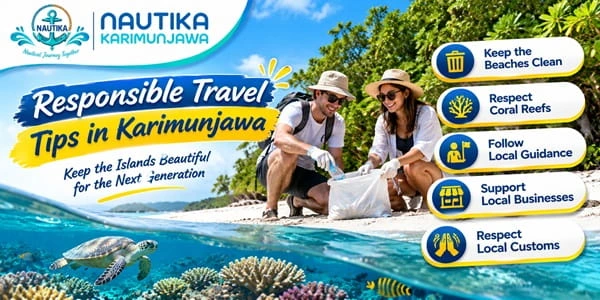
Karimunjawa’s natural beauty depends on the health of its coastal and marine environments. Visitors can help protect the islands through simple everyday choices.
Keep the Beaches Clean
Bring your rubbish back with you and use the available bins. Avoid leaving plastic packaging, cigarette butts, or food waste on the beach.
Respect Coral Reefs
Coral reefs provide important habitats for marine life. Never stand on coral, break pieces, or take marine organisms as souvenirs.
Follow Local Guidance
Listen to your boat crew, tour guide, and local authorities. They understand local conditions and can help you choose safer activities.
Support Local Businesses
Choose local guides, eateries, accommodation providers, and small businesses when they suit your needs. Tourism can create valuable opportunities for island communities.
Respect Local Customs
Dress appropriately when visiting community or religious spaces. Ask permission before photographing people, private homes, or cultural activities.
Small actions matter. A beautiful destination stays beautiful when visitors treat it with care.
Plan Your Island Holiday with Nautika Karimunjawa
Arranging a trip to Karimunjawa involves more than buying a ferry ticket. You may also need to organise accommodation, local transport, meals, island tours, and marine activities.
If you prefer to plan these details with help, you can explore the travel services offered by Nautika Karimunjawa. Depending on your needs and the available arrangements, you can ask about tour options, local transport, accommodation, snorkelling, and other activities.
You can also browse the Nautika Karimunjawa website to learn more about the destination and available travel information.
Before booking, share your travel date, number of guests, preferred ferry, length of stay, and activities you want to enjoy. Ask for a clear breakdown of the package facilities, prices, and booking terms.
Remember that a tour package may not automatically include your ferry ticket. Confirm this detail before making a payment so you know exactly what the package covers.
Get Ready for Your Karimunjawa Journey
Your trip to Karimunjawa begins at the harbour, but the real experience goes far beyond the ferry ride. From the first sea breeze at Kartini Harbour to the beaches, island views, local food, and underwater scenery, every part of the journey can become a memorable experience.
Take time to check your ferry details, prepare your travel essentials, and leave enough flexibility in your itinerary. Most importantly, respect the sea and the local community that make this island destination special.
For travel information and tour arrangements, you can contact the team using the details below: